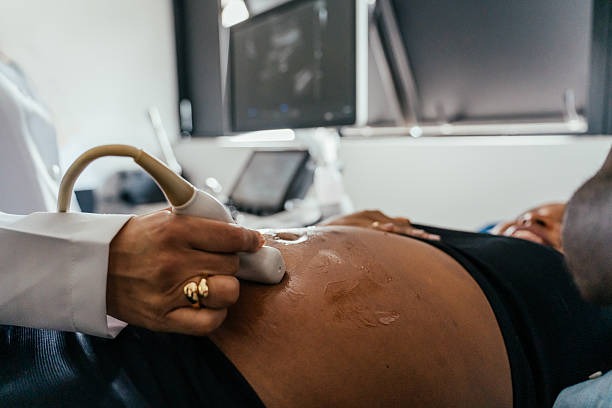
Traveling by air during pregnancy can be a safe and comfortable experience when proper precautions are taken. Expecting mothers should begin by consulting their healthcare provider before booking any flights to ensure that flying is appropriate for their specific stage of pregnancy and overall health condition. Most airlines allow pregnant women to fly up to 36 weeks gestation, but this varies depending on the airline’s policies and individual circumstances. It is important to check these regulations in advance, as some carriers require a medical certificate or letter from a doctor confirming fitness to travel.
Choosing the right time for air travel plays a crucial role in minimizing risks. The second trimester, typically between weeks 14 and 27, is often considered the safest period tips for travelling during preganancy flying because morning sickness usually subsides, energy levels improve, and the risk of miscarriage decreases. However, every pregnancy is unique; therefore personal comfort and medical advice should guide timing decisions.
During the flight, staying hydrated is essential since cabin air tends to be dry and can lead to dehydration more quickly than usual. Drinking water regularly helps prevent complications such as headaches or dizziness. Additionally, moving around periodically throughout the journey promotes circulation and reduces the likelihood of developing blood clots-a concern heightened during pregnancy due to increased clotting factors in the blood. Simple leg exercises while seated or short walks along the aisle every hour can aid circulation.
Wearing loose-fitting clothing enhances comfort by preventing unnecessary pressure on sensitive areas like swollen ankles or feet which are common during pregnancy. Compression stockings may also be recommended by healthcare providers as they support healthy blood flow in lower limbs during extended periods of immobility.
Seat selection matters; opting for an aisle seat provides easier access to restrooms and allows more freedom of movement without disturbing other passengers frequently. Buckling seat belts below the belly across hips rather than over it ensures safety without applying undue pressure on the abdomen.
Avoiding heavy lifting when managing luggage minimizes strain on back muscles already under stress from carrying extra weight due to pregnancy changes. Asking for assistance with bags at airports reduces physical exertion significantly.
Lastly, being mindful of signs that indicate discomfort or complications-such as severe abdominal pain, bleeding, intense swelling, dizziness that doesn’t improve with rest-should prompt immediate medical attention either onboard if possible or upon landing.
By following these guidelines thoughtfully combined with professional medical advice tailored individually, expectant mothers can enjoy safer air travel experiences while protecting their own well-being alongside that of their unborn child.
Head Office
168, BSNL Road, Near BSNL office, Sector 3, Hiran magri, Udaipur, Rajasthan 313001
Call
+91 90018 38800
+91 90019 97440
Email Us
[email protected]
Operating Hours
Mon – Sat 9 AM – 6 PM
Sunday 9 AM – 4 PM